
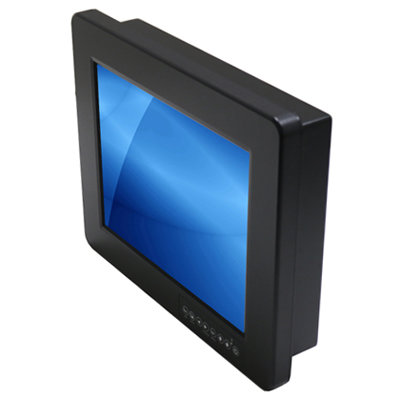
SCADA (Supervisory Control and Data Acquisition) is the backbone of industrial process monitoring and control. From water treatment plants to power grids, oil refineries to manufacturing lines, SCADA systems give operators visibility into complex processes and the ability to control them in real time.
What Does a SCADA System Do?
A SCADA system performs four core functions:
- Data Acquisition: Collecting real-time data from sensors, PLCs, RTUs, and other field devices
- Data Communication: Transmitting data between field devices and the central system
- Data Presentation: Displaying process data on HMI screens with graphics, alarms, and trends
- Control: Allowing operators to send commands to field equipment (open valves, start pumps, adjust setpoints)
SCADA System Architecture
Level 0: Field Instruments
Sensors, actuators, and transmitters that measure and control physical processes (temperature, pressure, flow, level).
Level 1: Control Devices
PLCs (Programmable Logic Controllers) and RTUs (Remote Terminal Units) that execute control logic and communicate with field instruments.
Level 2: Supervisory Computers
Industrial computers running SCADA/HMI software that aggregate data, display process graphics, log historical data, and provide operator interfaces. This is where industrial PCs play their critical role.
Level 3: Enterprise
Business systems (ERP, MES) that consume production data for planning, scheduling, and reporting.
Why SCADA Needs Industrial Computers
24/7 Operation
SCADA systems run continuously. Commercial PCs aren't designed for non-stop operation. Industrial computers deliver 100,000+ hour MTBF for uninterrupted monitoring.
Environmental Resilience
SCADA stations are often located near the processes they monitor — exposed to heat, dust, vibration, and moisture. Fanless, sealed industrial computers thrive in these conditions.
Multiple Display Support
SCADA operators need to view multiple process areas simultaneously. Industrial computers with dual or quad display outputs drive multi-monitor setups.
Serial Communication
Many PLCs and RTUs communicate via RS-232, RS-422, or RS-485 serial protocols. Industrial computers include these ports natively — no USB adapters with driver compatibility issues.
Long Lifecycle
SCADA software is validated and qualified for specific hardware. Industrial computers with 5-7 year availability ensure software compatibility throughout the system lifecycle.
Industrial Computer Specifications for SCADA
| Requirement | Specification |
|---|---|
| Processor | Intel Core i5/i7 (multi-screen rendering) |
| RAM | 16-32 GB (large tag databases) |
| Storage | Industrial SSD, 256GB+ |
| Display | 2-4 outputs (HDMI, DP, DVI) |
| Serial | 2-8x RS-232/422/485 |
| Ethernet | 2x GbE minimum (OT/IT separation) |
| Temperature | -10°C to 50°C minimum |
| Mounting | Rack, DIN rail, or panel |
Acnodes Corporation manufactures industrial computers optimized for SCADA and HMI applications. Contact us for a configuration tailored to your SCADA platform.