
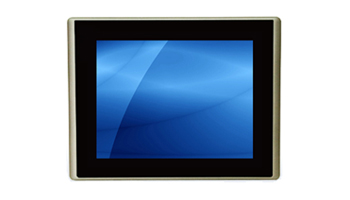
Food and beverage manufacturing presents a unique combination of challenges for computing equipment: aggressive wash-down procedures, temperature extremes, hygiene requirements, and regulatory compliance. Standard industrial computers aren't always sufficient — food-grade deployments need purpose-built solutions.
The Food Manufacturing Environment
Wash-Down
Food processing facilities are cleaned daily — sometimes multiple times per day — using:
- High-pressure water jets (up to 80 bar / 1,160 psi)
- Hot water (up to 80°C / 176°F)
- Chemical sanitizers (chlorine, quaternary ammonium, peracetic acid, caustic soda)
- Steam cleaning in some applications
Any computing equipment on the production floor must survive this regimen without damage.
Temperature
Processing environments span a wide range:
- Freezer storage: -25°C to -40°C
- Cold processing: 0°C to 10°C
- Ambient processing: 15°C to 30°C
- Hot processing (ovens, fryers, pasteurizers): Ambient up to 50°C near heat sources
- Transition zones: Rapid movement between cold and warm areas causes condensation
Particulates
Flour, sugar, starch, and other food powders create dust that can be explosive at certain concentrations. This may require hazardous-location-rated equipment.
Hardware Specifications
Enclosure
- IP69K front panel: Protection against high-pressure, high-temperature wash-down
- Stainless steel bezel: 316 grade for corrosion resistance against sanitizing chemicals
- Smooth, crevice-free design: No screw heads, seams, or recesses where bacteria can harbor
- Sloped surfaces: Prevent water pooling on top of the unit
- NSF-listed materials: National Sanitation Foundation certified for food contact zones
Display (for Panel PCs)
- Flat front surface: No raised bezel edges to trap food particles
- PCAP touch: Behind sealed glass — no flexible overlay to delaminate
- Optical bonding: Prevents condensation between glass layers during temperature changes
Computing
- Fanless: No vents that allow water or chemical ingress
- Wide temperature: -30°C to 60°C for freezer-to-processing transitions
- SSD storage: No mechanical parts affected by moisture or vibration
Connectivity
- Sealed connectors: M12 or equivalent IP-rated connectors instead of standard USB/Ethernet
- Wireless: Wi-Fi for environments where cabling is impractical
- RFID: For lot tracking and operator authentication
Food Safety Standards
FSMA (Food Safety Modernization Act)
US FDA regulation requiring preventive controls, traceability, and sanitary design of equipment in food production areas.
HACCP (Hazard Analysis Critical Control Points)
Systematic approach to food safety that requires monitoring and recording of critical control points — industrial computers serve as data collection and monitoring devices at these points.
GMP (Good Manufacturing Practice)
Equipment in food production areas must be cleanable, non-toxic, and non-absorbent. Computing equipment must meet the same standards as other production equipment.
Common Applications
- Line-side HMI: Operator interface for production line control (recipe management, batch control)
- Quality inspection: Machine vision for defect detection, fill level verification, label inspection
- CCP monitoring: Temperature, pH, and weight recording at critical control points
- Traceability: Lot tracking, barcode/RFID scanning, production record keeping
- Compliance dashboards: Real-time OEE, yield, and food safety metrics
Acnodes Corporation offers IP69K-rated panel PCs and industrial monitors with stainless steel bezels for food and beverage manufacturing. Contact us for food-grade computing solutions.