
The factory floor is generating more data than ever before — from machine sensors, quality cameras, robot controllers, and environmental monitors. But sending all this data to the cloud for processing introduces latency, bandwidth costs, and connectivity risks that modern manufacturing can't afford.
Edge computing solves this by placing processing power directly where the data is generated.
What Is Edge Computing?
Edge computing means processing data at or near the source instead of sending it to a remote data center. In manufacturing, this means installing industrial computers directly at:
- Machine tools and CNC stations
- Quality inspection points
- Robotic work cells
- Packaging and labeling lines
- Warehouse management stations
Why Manufacturing Needs Edge Computing
Latency
Cloud round-trip time is 50-200ms. Machine vision quality inspection needs response in under 10ms. Robotic control needs sub-millisecond response. Edge computing delivers.
Bandwidth
A single machine vision camera produces 1-2 Gbps of raw image data. Edge computing processes locally and sends only results — reducing bandwidth by 95%+.
Reliability
Factory networks go down. Internet connections fail. Edge computing enables autonomous operation during outages with store-and-forward capability.
Data Security
Proprietary manufacturing processes and trade secrets stay on-premises. Only aggregated analytics reach the cloud.
Key Manufacturing Use Cases
Predictive Maintenance
Edge devices analyze vibration, temperature, and acoustic signatures from machinery in real-time. ML models detect anomalies and predict failures days before they occur.
Machine Vision Quality Control
High-speed cameras capture every product. Edge AI identifies defects with sub-millisecond latency — rejecting defective items before they reach the next stage.
Real-Time Process Control
Edge computers aggregate sensor data, apply control algorithms, and adjust process parameters in real-time for chemical, pharmaceutical, and food processing.
OEE Monitoring
Overall Equipment Effectiveness tracking requires real-time data from multiple machines. Edge computing aggregates and calculates OEE metrics locally.
Hardware Requirements
Industrial edge computing demands purpose-built hardware:
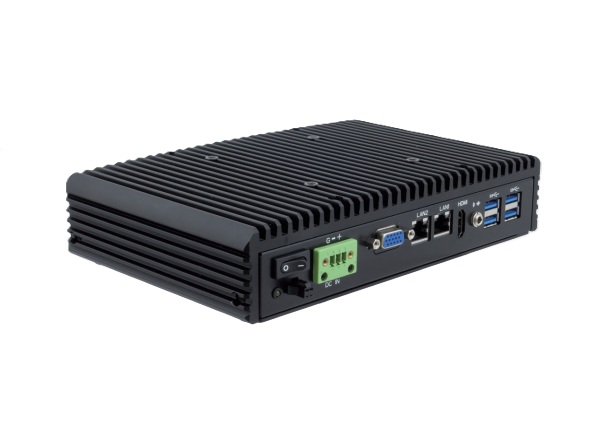
- Fanless design for factory floor dust and particulates
- Wide temperature for unheated/uncooled environments
- Multiple Ethernet ports for OT network segmentation
- Serial ports (RS-232/485) for legacy PLC and sensor connectivity
- DIN rail mounting for control cabinet installation
- GPU/NPU for AI inference workloads
Acnodes Corporation manufactures industrial edge computing hardware for factory floor deployment. Contact us or request a quote to get started.